Starlight
Epic MegaJam 2025 - Unreal Engine 5
Overview
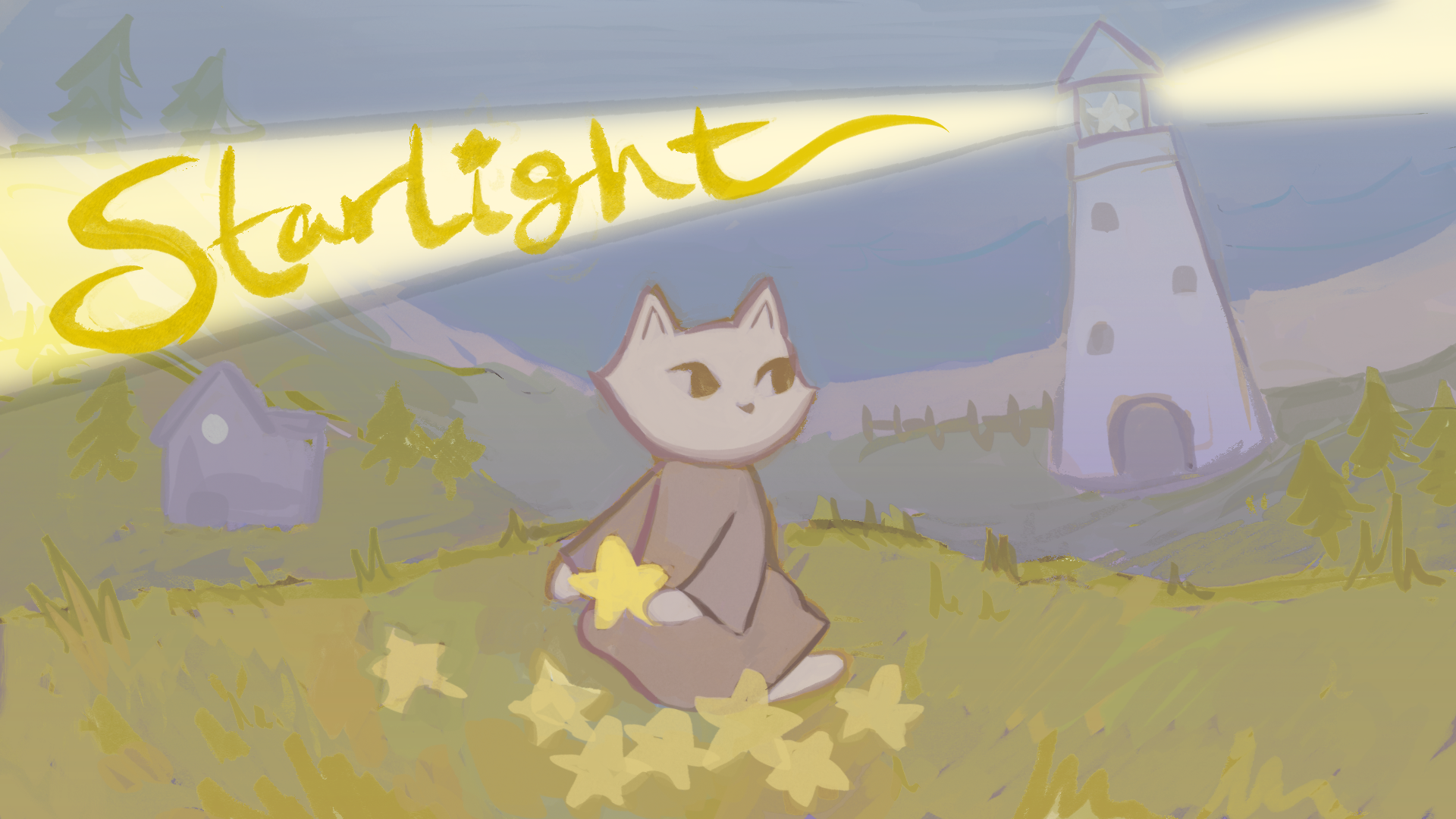
For Starlight, developed for the Epic MegaJam 2025, I contributed to overall game planning, programming, and UI/UX design within a fast-paced, collaborative environment. I focused on creating clear, intuitive interfaces that supported the game’s cozy, player-driven interactions, ensuring menus, dialogue, and feedback systems remained accessible and visually consistent under tight development constraints. This work highlights my ability to design and implement responsive UI that enhances gameplay while aligning with a unified team vision.
Design Goals
Working within the constraints of a game jam required designing UI that could be immediately understood without onboarding or complexity. The challenge was to create a minimal interface that supports gameplay without disrupting immersion, ensuring that players can naturally engage with the world and its characters.
UX Goals
The UI was guided by principles of simplicity, clarity, and contextual relevance. Each element was designed to minimize cognitive load, present only essential information, and integrate seamlessly into the gameplay experience without drawing unnecessary attention away from the world
Core Experience Flow
The player experience centers around exploration, interacting with fellow villagers, and completing small tasks. The UI appears contextually, as in it remains minimal. It appears during exploration, surfacing during dialogue, and providing feedback during item collection. This format allows the interface to support the experience without overwhelming the overall gameplay experience.
HUD Design/Item Tracking
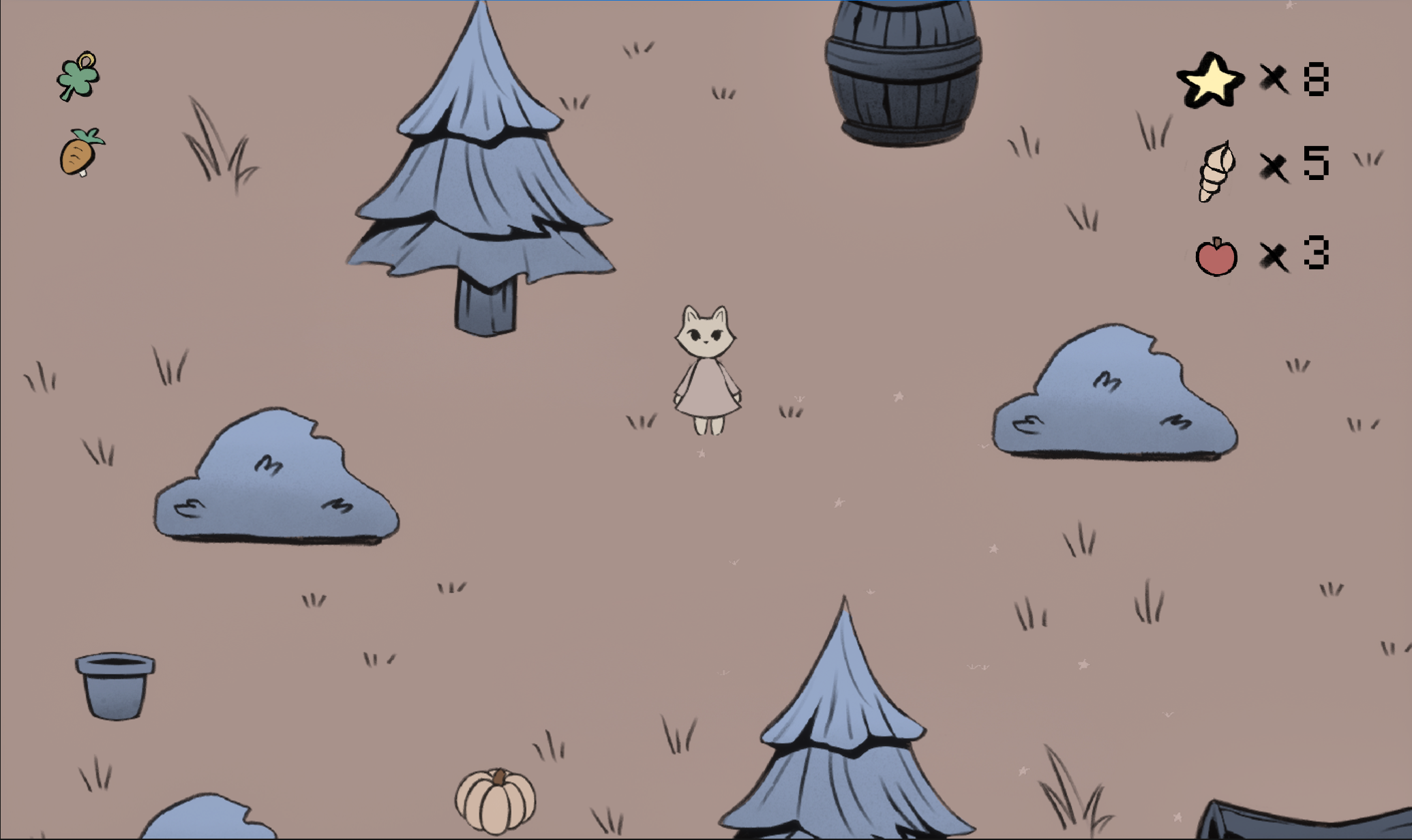
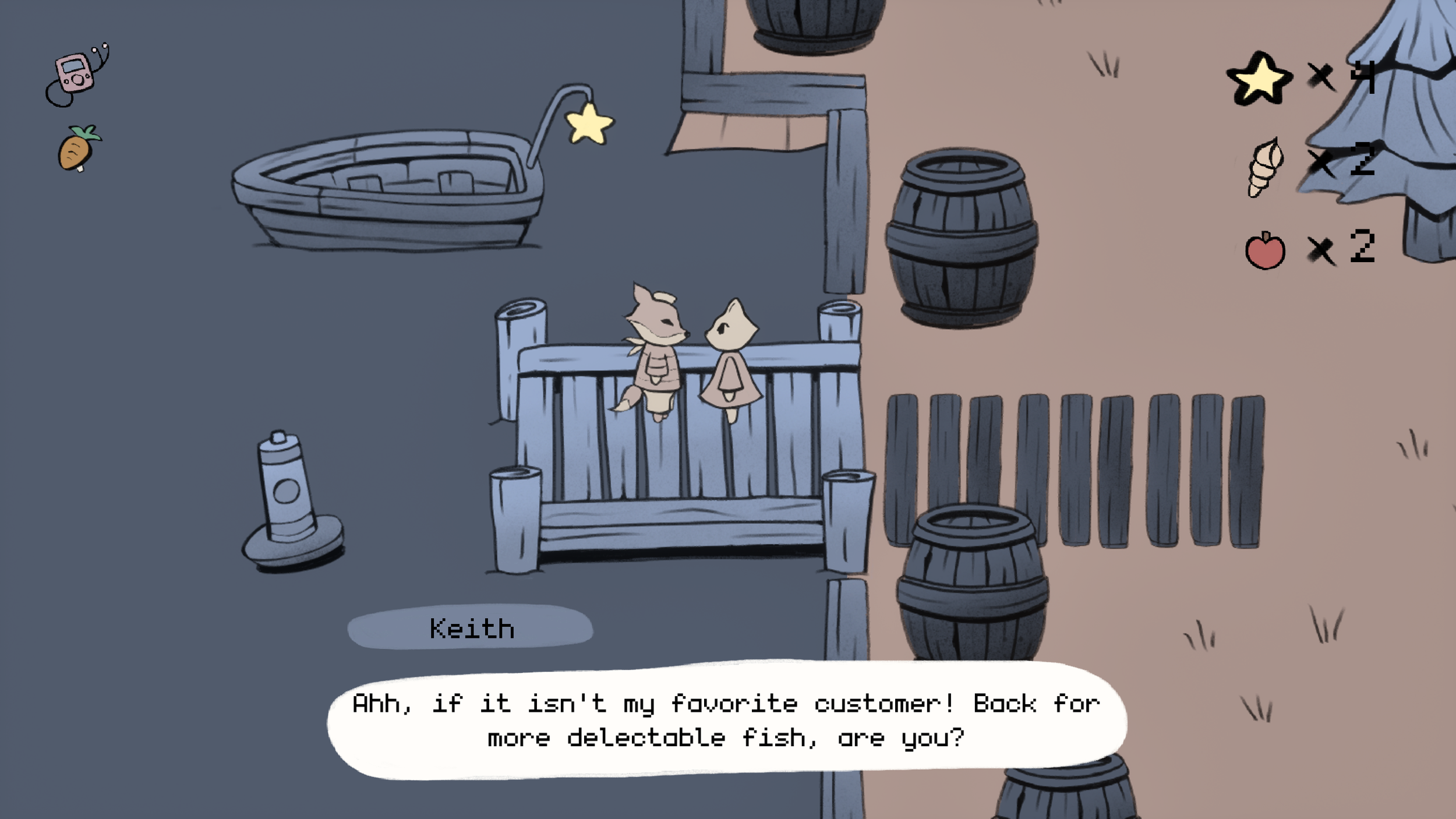
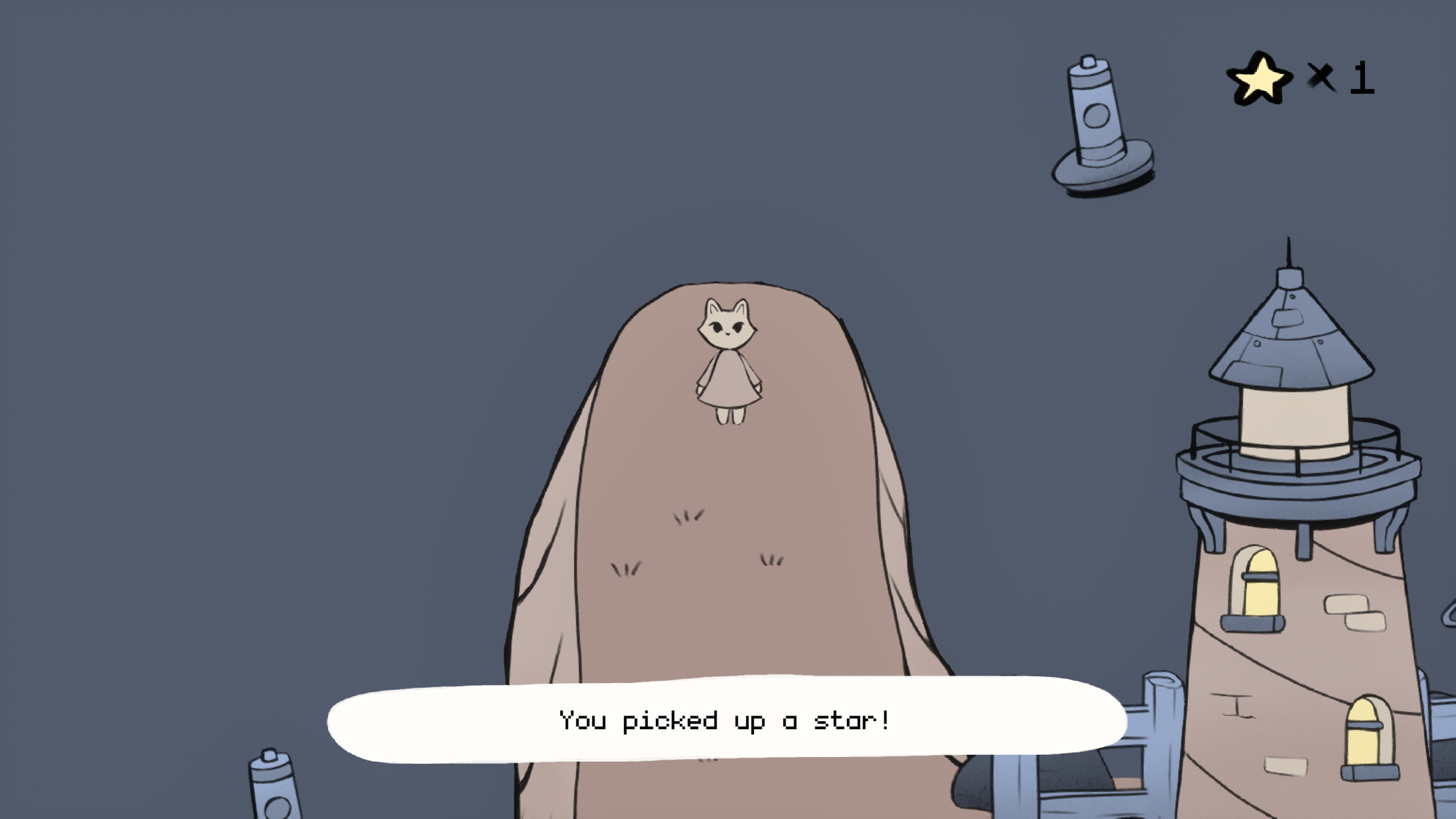
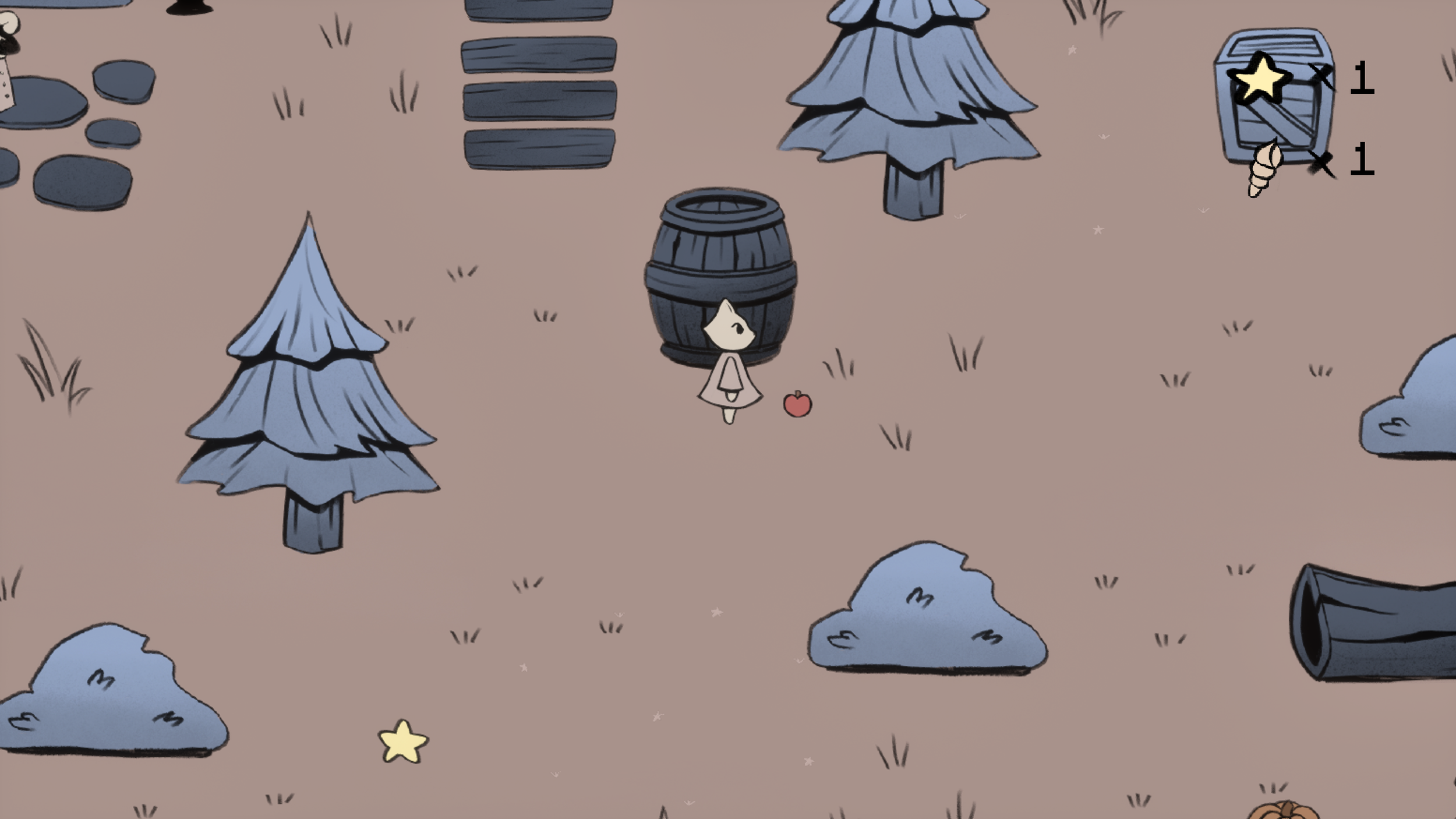
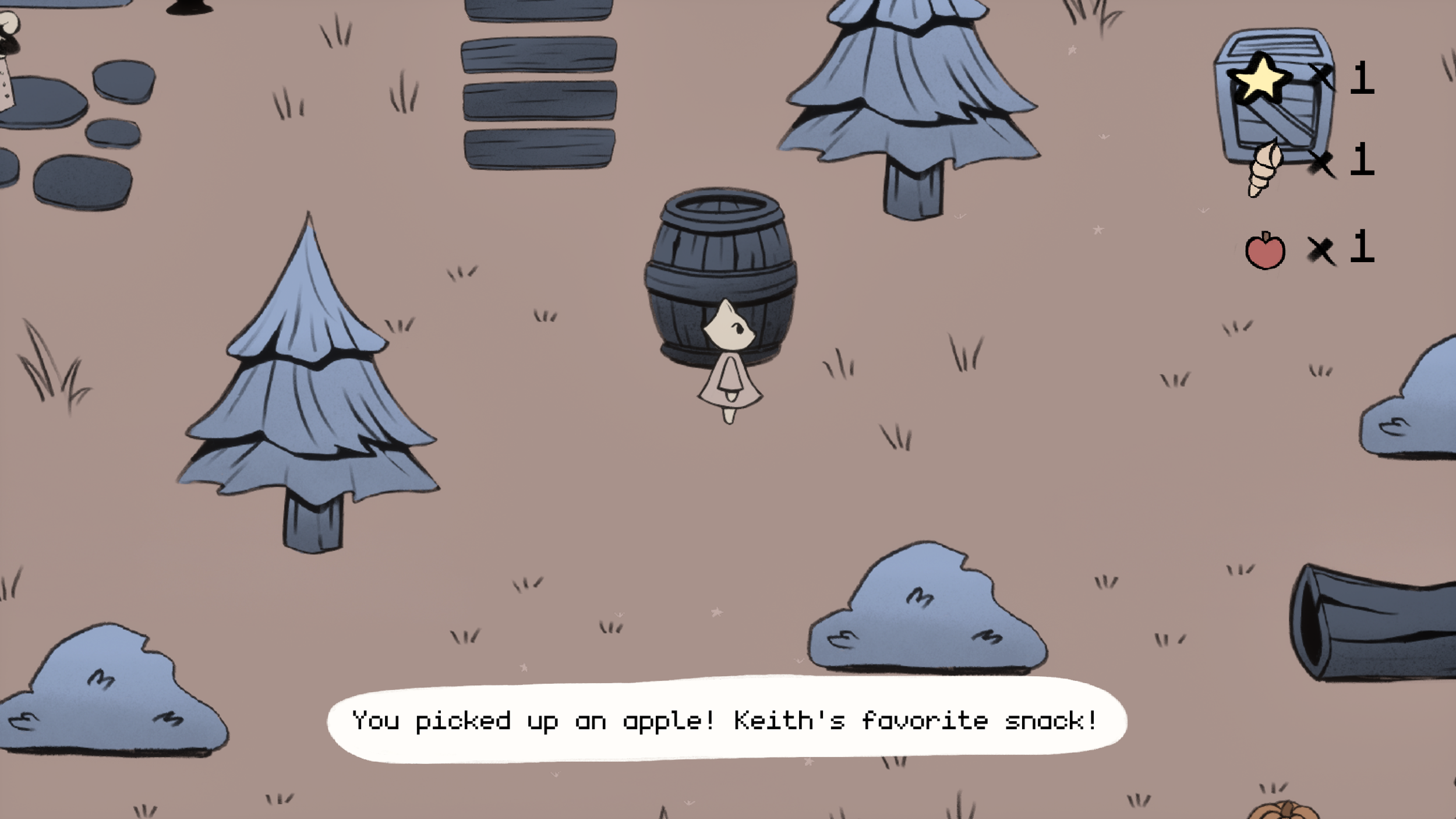
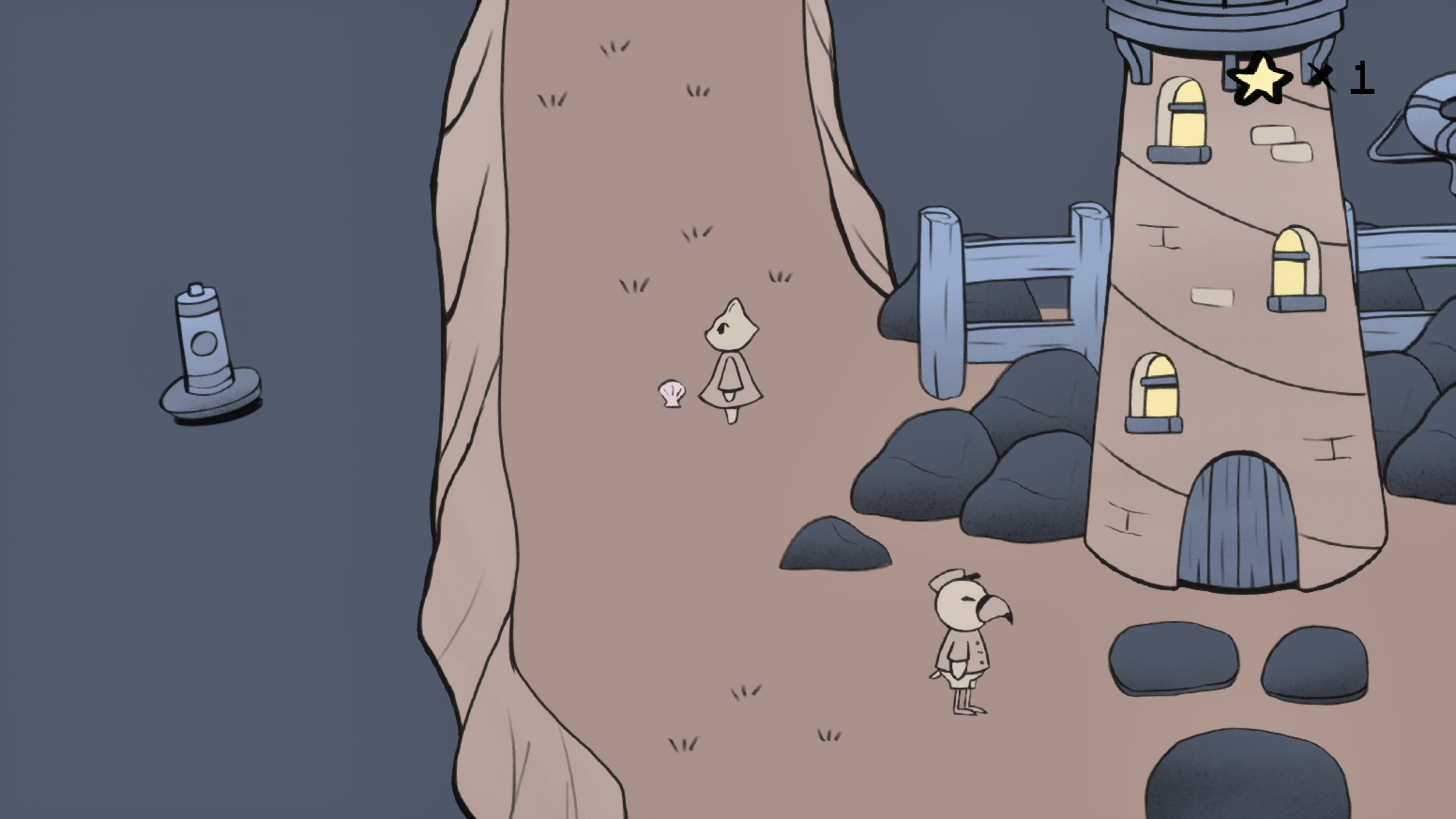
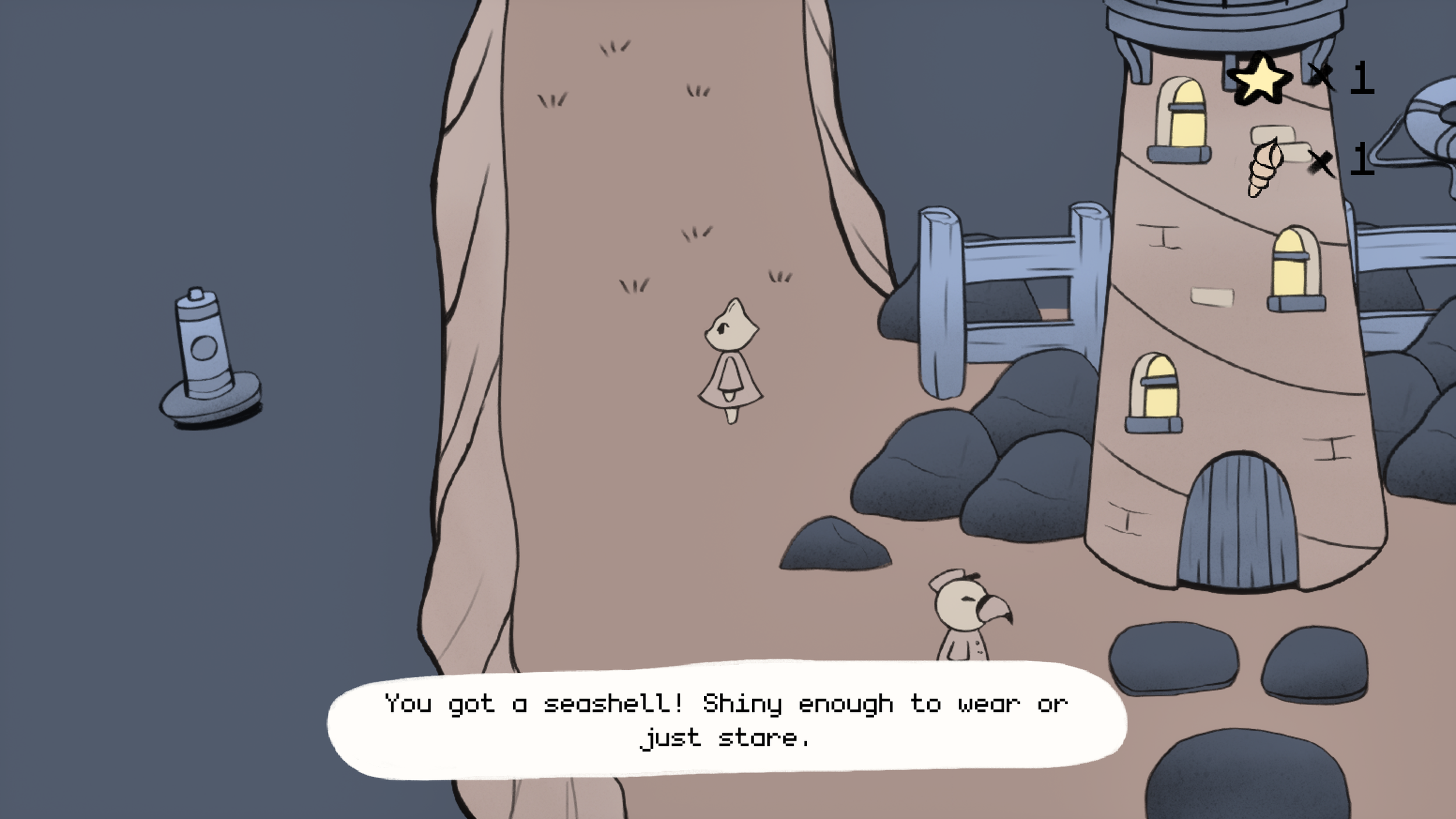
The HUD is positioned to provide persistent access to collected item information while preserving the player’s focus on the environment. The interface is kept within the players peripheral vision, reducing obstruction and maintaining clarity without competing with core gameplay elements. The layout further differentiates item types: the left side highlights unique, one-of-a-kind items, while the right side is reserved for stackable items, supported by a counter to clearly communicate quantity. This structure reinforces quick recognition and ensures players can easily interpret their inventory at a glance.
Dialogue System UX
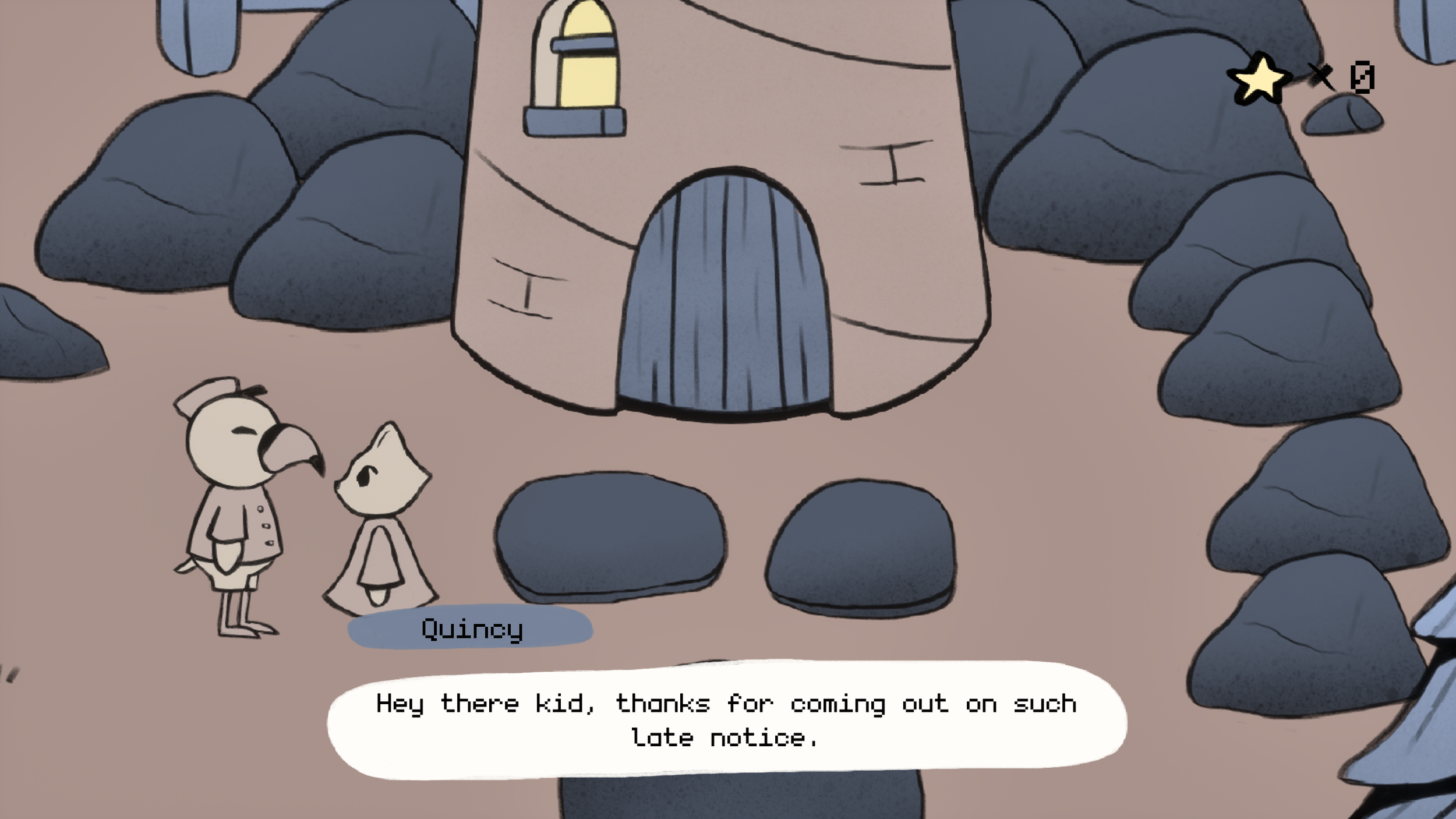
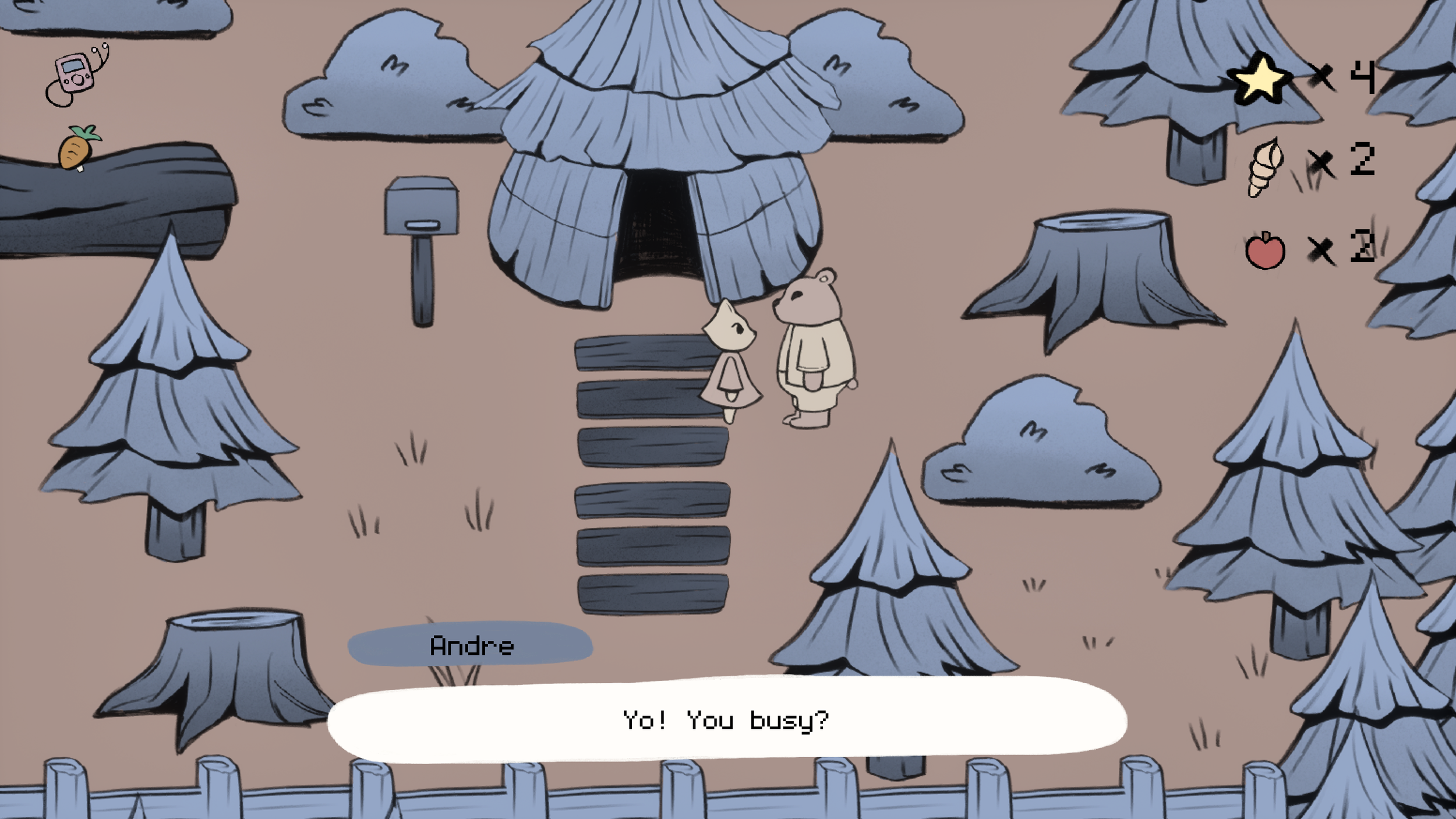
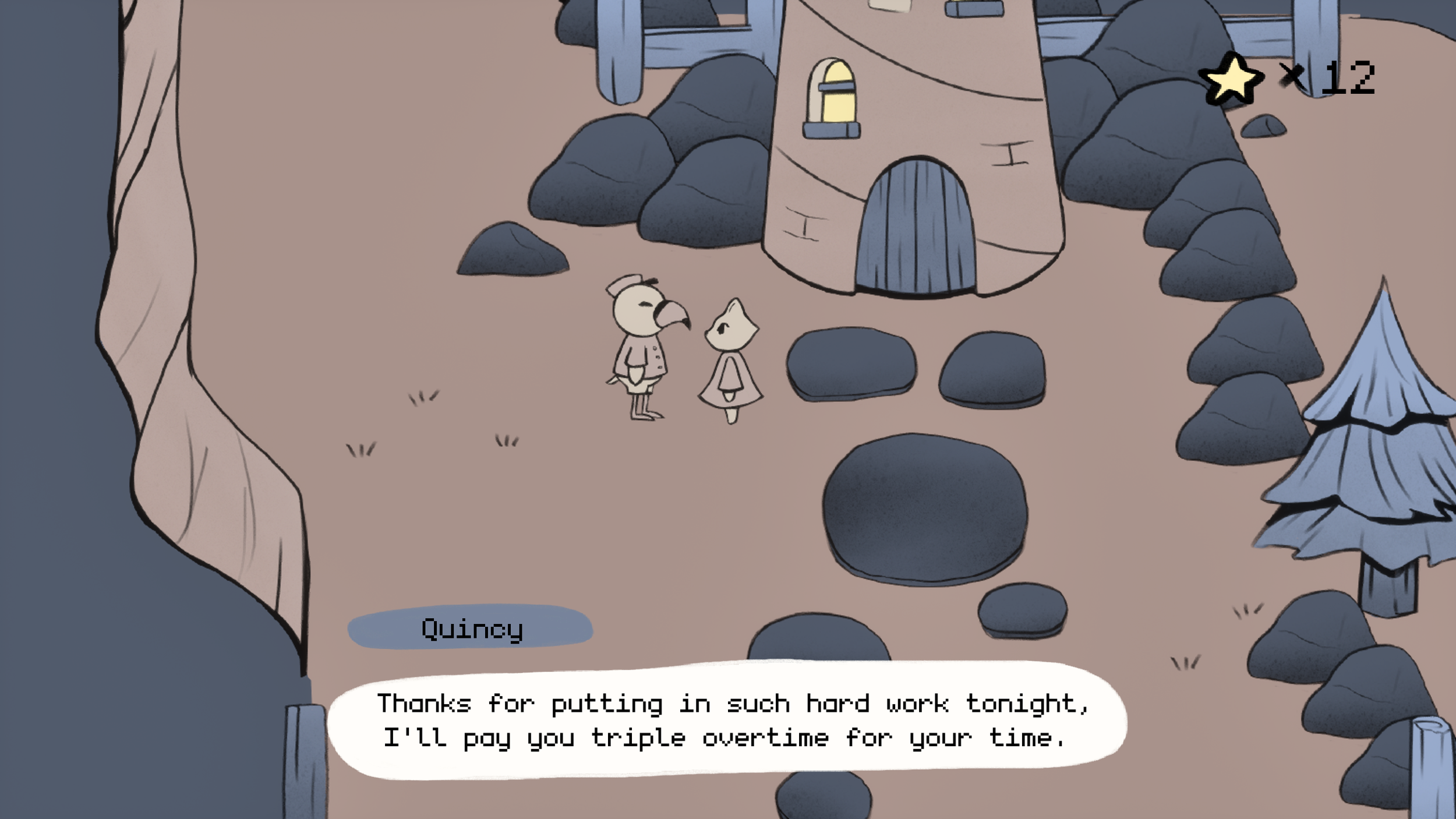
The dialogue interface is designed for readability and pacing, with a clean layout that keeps attention on character interactions. Its placement and scale ensure that text is easy to follow while maintaining visibility of the surrounding environment, supporting both narrative engagement and spatial awareness.
Feedback, Notifications, & Game Feel
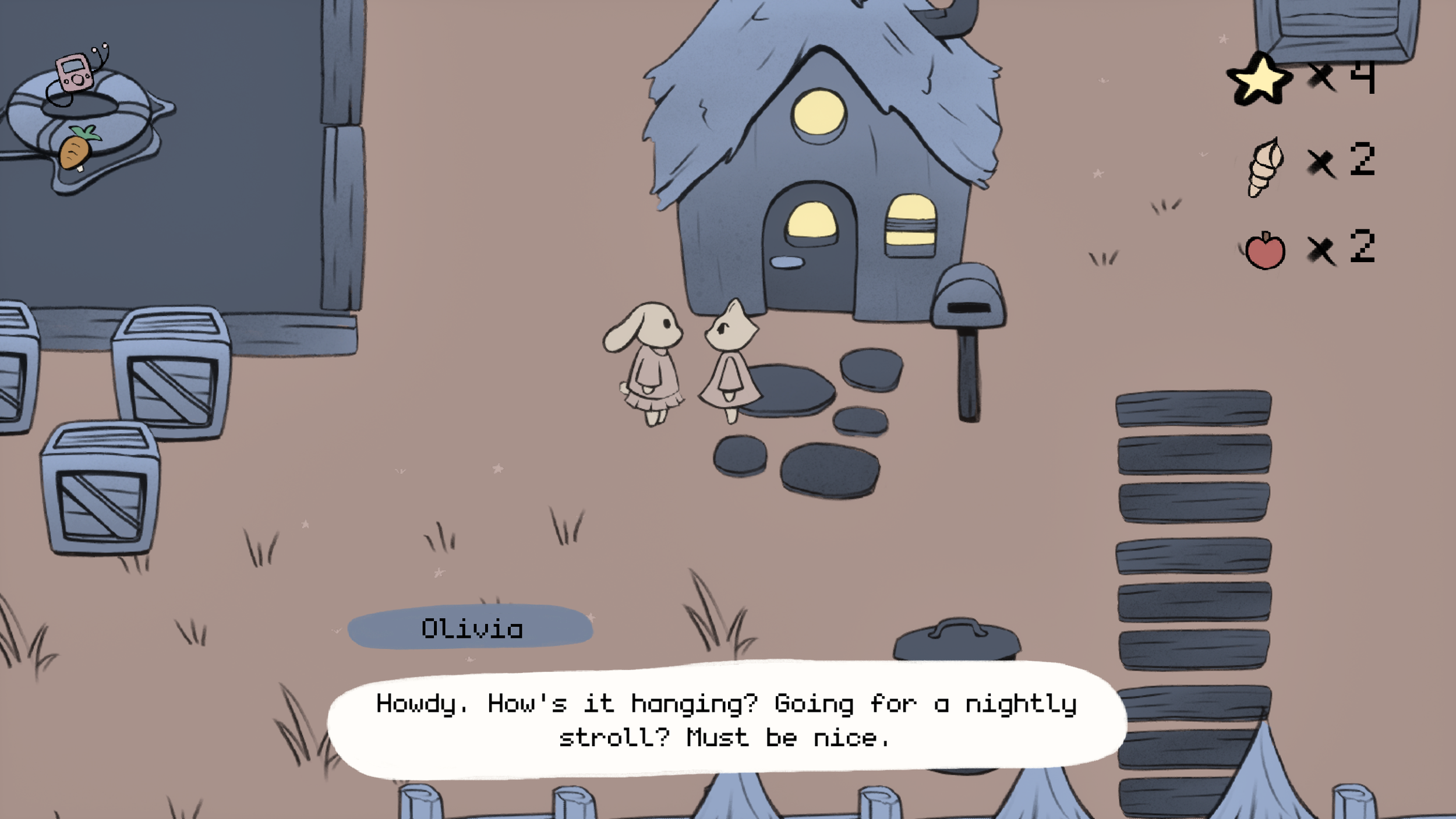
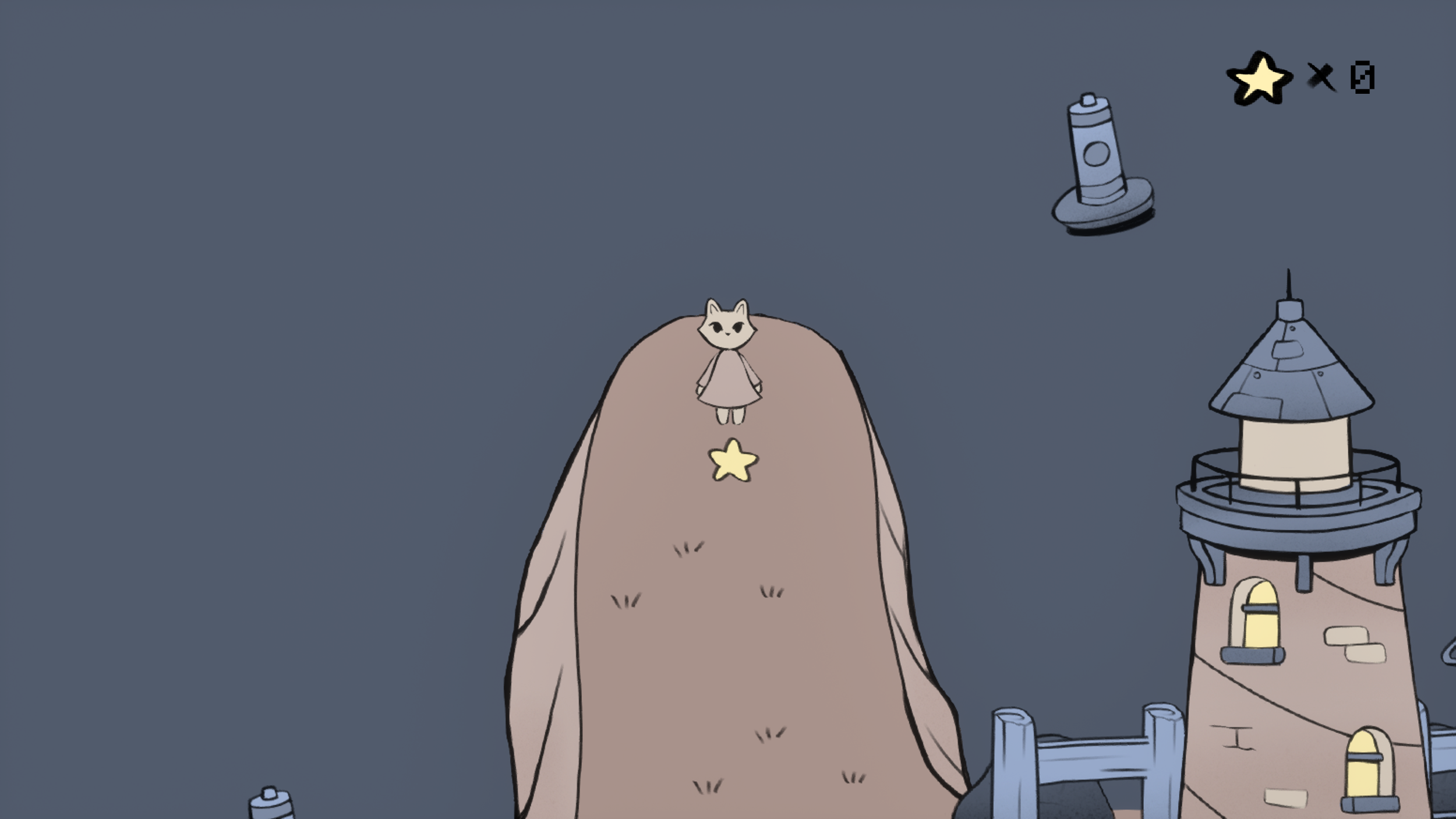
To reinforce player actions, item collection is supported by immediate and clear visual feedback that reflects directly in the HUD. When an item is picked up, it is instantly added to the interface, with its corresponding icon appearing or updating alongside a quantity counter when applicable. This real-time update creates a strong connection between the player’s action and the game’s response, providing confirmation without interrupting gameplay. The result is a seamless and responsive experience that keeps players informed while maintaining immersion.
Star Pickup
Apple Pickup
Shell Pickup
Main Menu UX
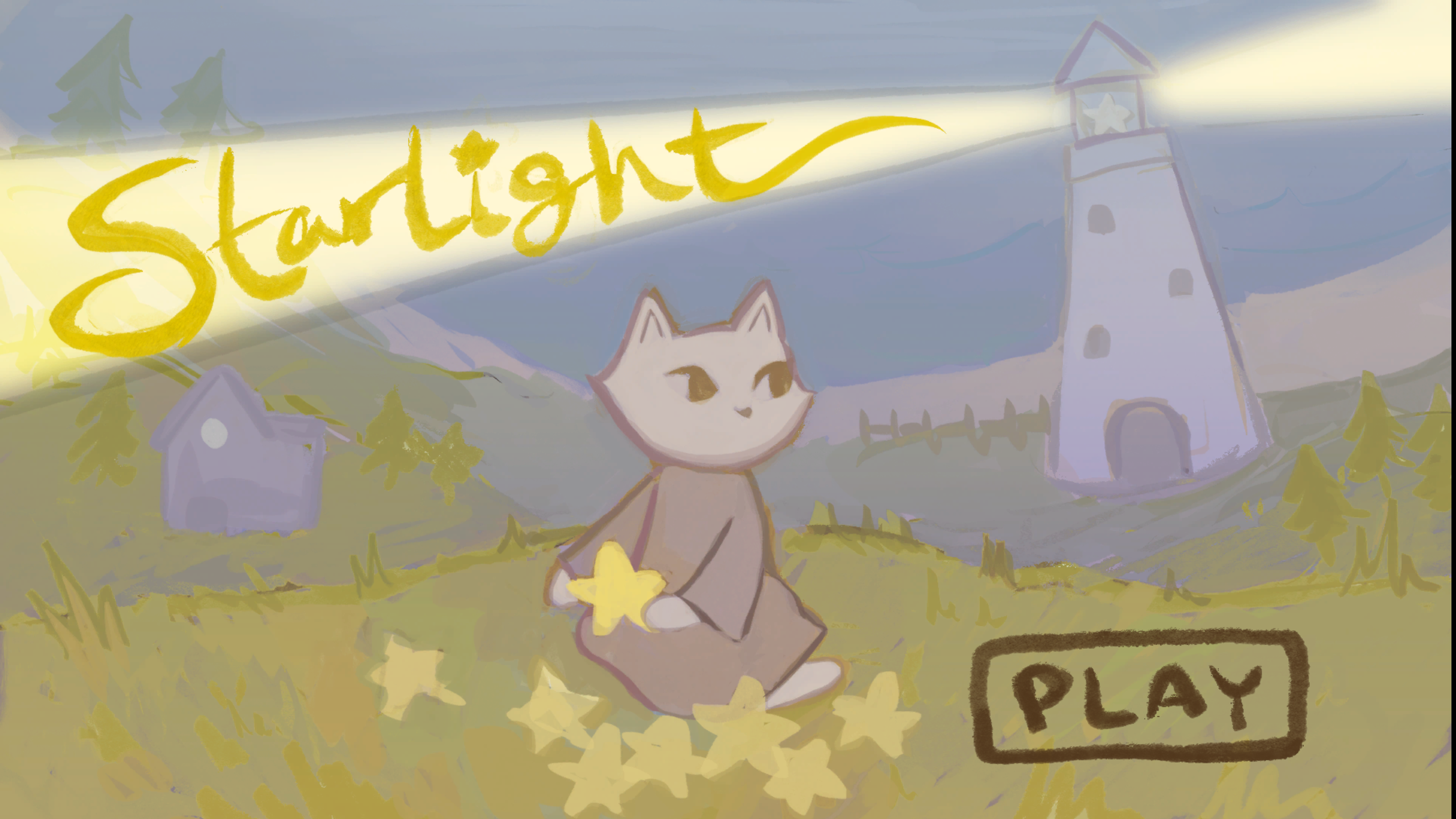
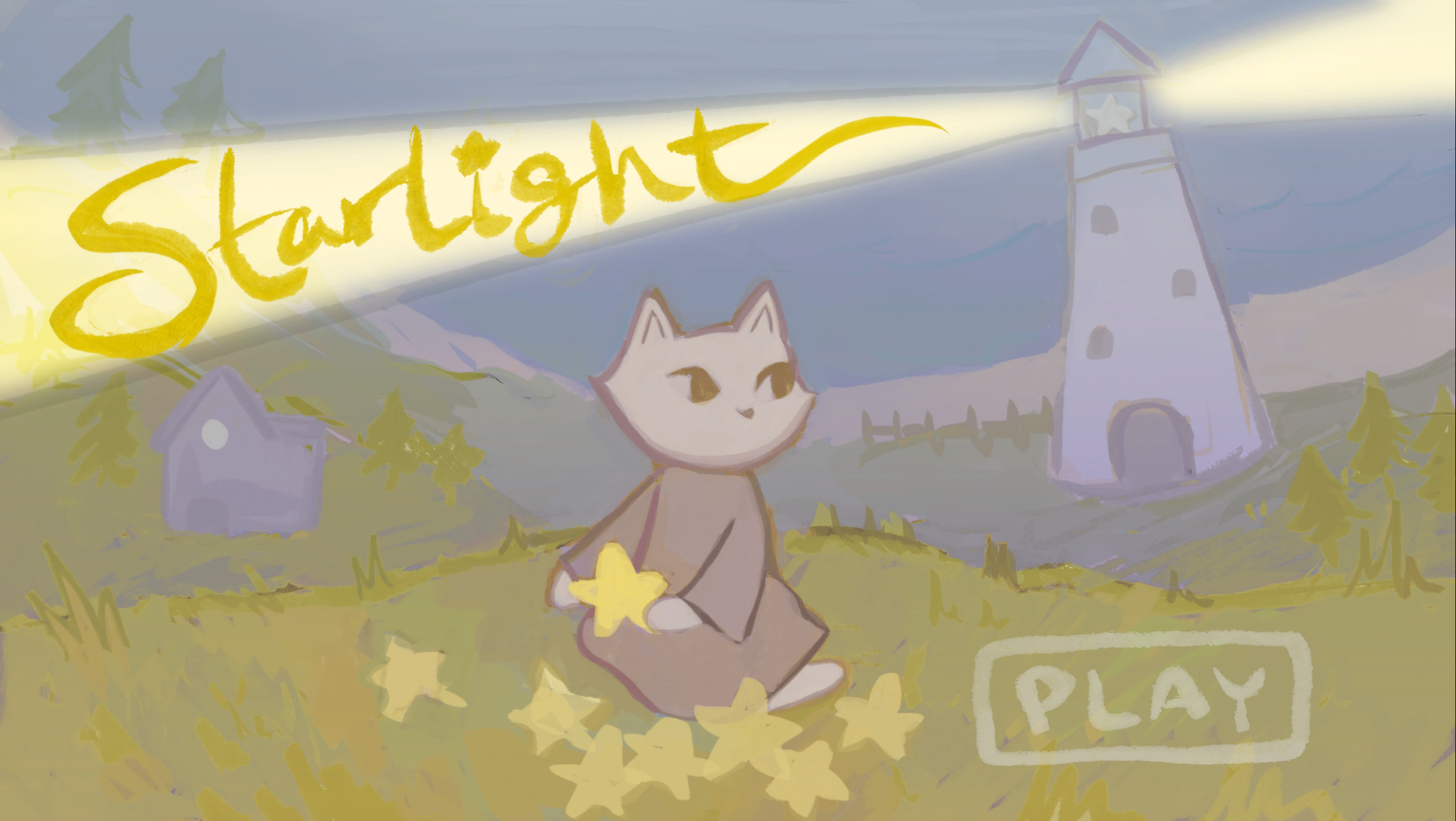
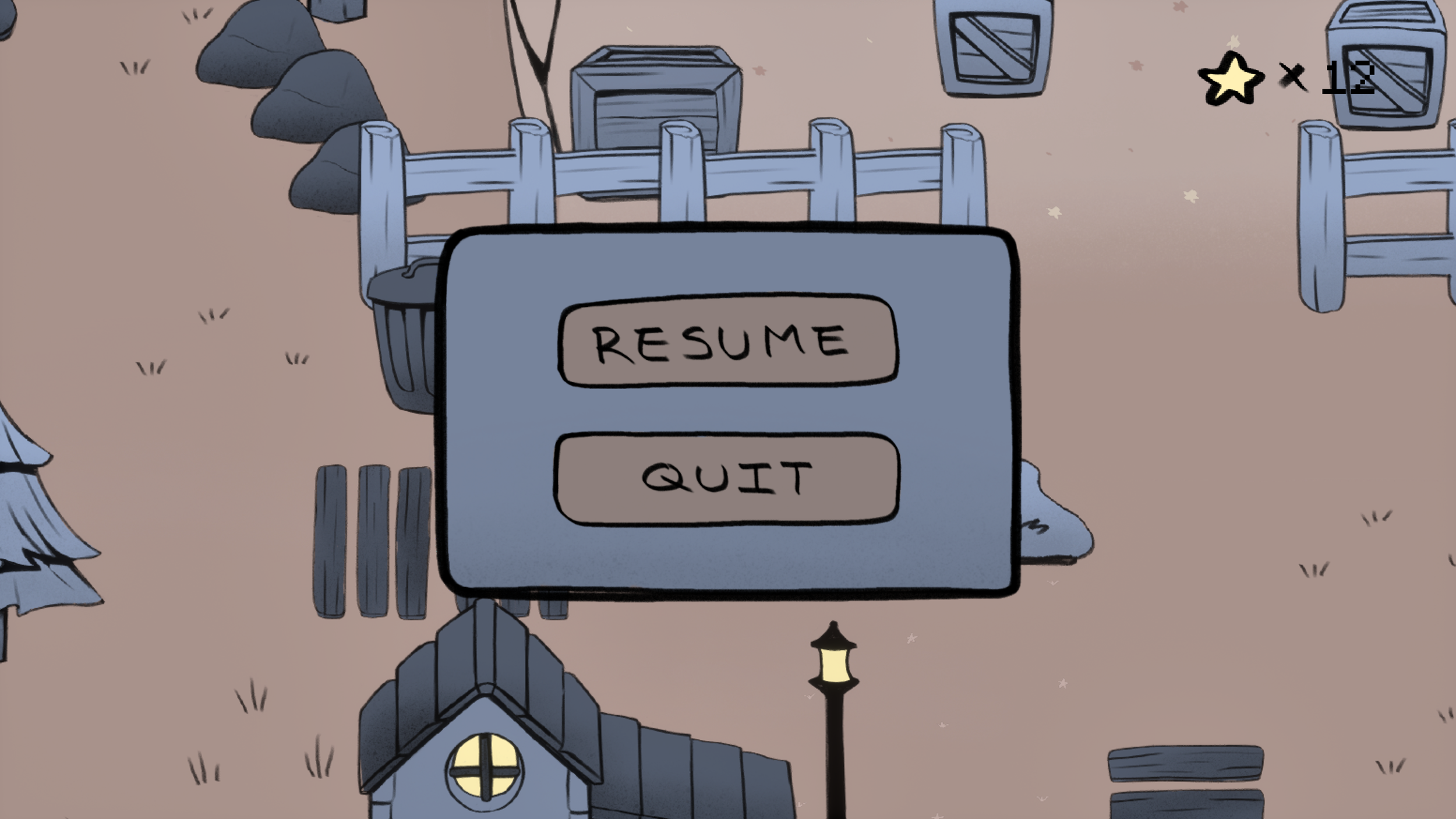
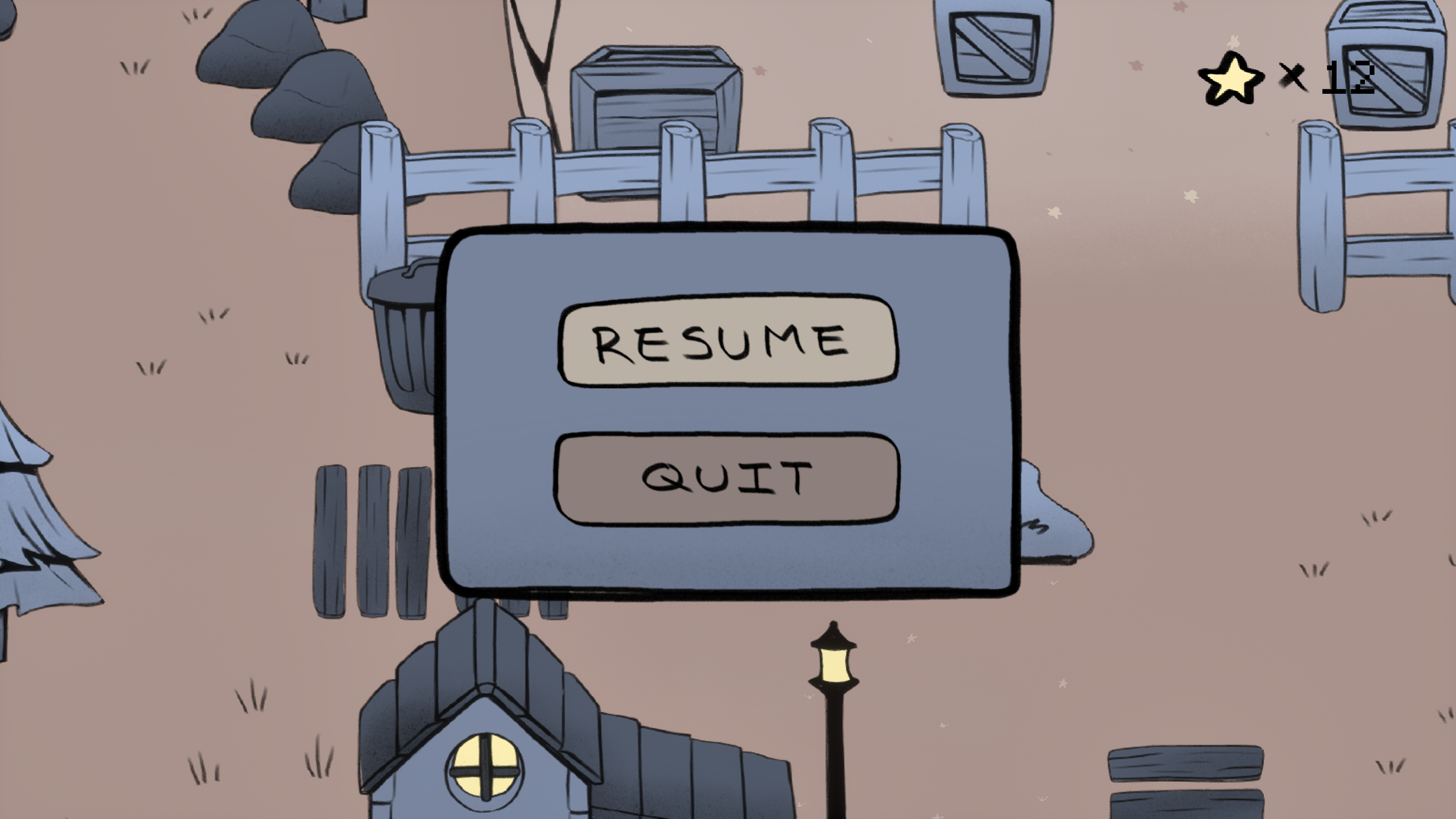
The main menu and pause menu are designed with clarity and ease of navigation in mind, presenting only essential options in a clean, structured layout. The pause menu provides straightforward choices to resume or quit the game, ensuring players can quickly control their session without unnecessary friction. Interactive feedback is reinforced through hover states, where buttons highlight as the cursor moves over them, clearly indicating selection and improving overall usability.
Main Menu
Pause Menu
Takeaways
Technical Implementation
The UI was implemented using Unreal Engine 5, with systems designed to update dynamically based on player actions and game state. This includes handling transitions between exploration and dialogue, as well as updating HUD elements in real time, ensuring consistency between design and functionality.
Constraints & Tradeoffs
Due to the one-week timeframe of the game jam, design decisions prioritized clarity and functionality over complexity. Instead of implementing expansive UI systems, the focus remained on delivering a streamlined experience that effectively supports core gameplay.
Iteration & Improvements
Given more time, the UI could be expanded to include more robust systems such as a detailed inventory or enhanced feedback layers. Future iterations would also explore additional accessibility improvements and deeper interaction design.
Takeaways
This project reinforced the importance of designing UI that is both minimal and intentional. It highlighted how strong UX decisions can elevate even simple interfaces, ensuring they effectively support gameplay while maintaining immersion.
Starlight demonstrates my ability to design and implement user interfaces under tight constraints, balancing usability, clarity, and player experience. It reflects my approach to creating thoughtful, responsive UI that enhances interaction without overwhelming the player.
Starlight - Walkthrough
Ty Cueva 2025